Industry has always been the backbone of economic development, technological progress, and societal transformation. From early craftsmanship and manual labor to advanced automation and digital manufacturing, industry reflects how societies produce goods, deliver services, and generate wealth. In today’s rapidly changing world, understanding industry is essential for grasping how economies function and where they are heading.
Understanding the Meaning of Industry
At its core, industry refers to economic activity concerned with the processing of raw materials, manufacturing of goods, or provision of services. It encompasses a wide range of sectors, including manufacturing, construction, energy, technology, agriculture, and services. Each industry plays a distinct role while remaining interconnected with others, forming complex supply chains that support global markets.
The Historical Development of Industry
The concept of industry evolved significantly during the Industrial Revolution, when mechanization transformed production methods. Steam power, factories, and mass production replaced small-scale manual work, dramatically increasing output and efficiency. This period laid the foundation for modern industrial systems, shaping labor structures, urbanization, and global trade patterns that continue to influence economies today.
Industrial Sectors and Their Roles
Industries are commonly grouped into primary, secondary, tertiary, and increasingly quaternary sectors. Primary industries focus on extracting natural resources, such as mining and agriculture. Secondary industries involve manufacturing and processing, turning raw materials into finished products. Tertiary industries provide services, including transportation, healthcare, and retail. Quaternary industries emphasize knowledge-based activities like research, information technology, and innovation.
The Role of Industry in Economic Growth
Industry drives economic growth by creating jobs, generating income, and increasing productivity. Industrial activity stimulates demand for raw materials, logistics, finance, and professional services, creating a multiplier effect across the economy. Countries with strong industrial bases often experience higher levels of exports, technological advancement, and overall economic stability.
Globalization and Industry
Globalization has reshaped industry by connecting markets, labor, and resources across borders. Companies now operate global supply chains, sourcing materials and labor from multiple countries. While this has increased efficiency and reduced costs, it has also introduced challenges such as supply chain vulnerabilities, regulatory complexity, and environmental concerns.
Technology and the Transformation of Industry
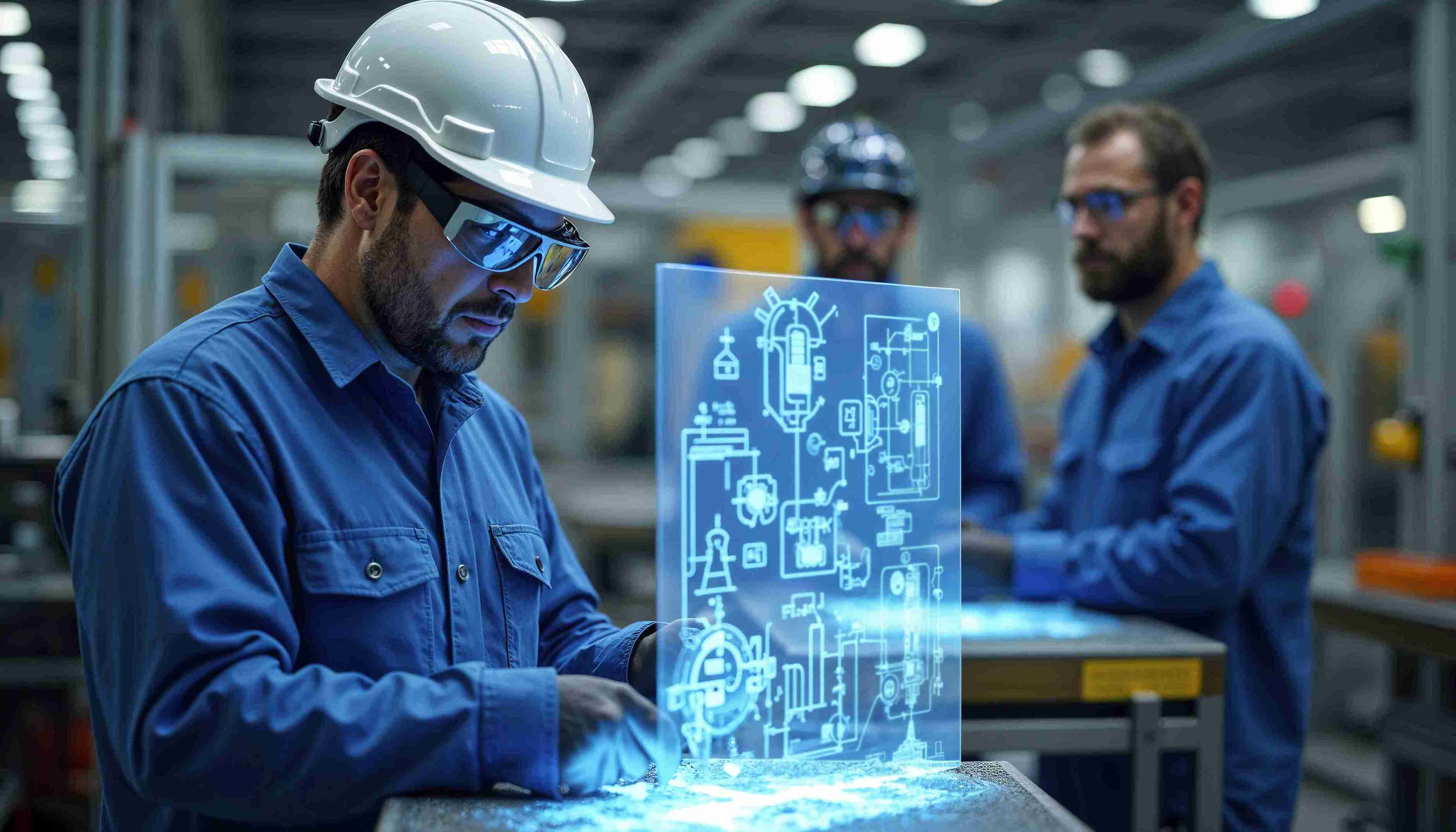
Technological innovation is one of the most powerful forces shaping modern industry. Automation, artificial intelligence, robotics, and data analytics are transforming how goods are produced and services delivered. Smart factories and digital platforms improve efficiency, reduce waste, and enable customization at scale, marking a shift toward Industry 4.0.
Industry and Employment
Industry has a profound impact on employment patterns. While traditional manufacturing jobs have declined in some regions due to automation, new roles have emerged in technology, maintenance, design, and data analysis. The modern workforce increasingly requires adaptable skills, technical knowledge, and continuous learning to remain competitive in evolving industries.
Sustainability and Environmental Responsibility
Sustainability has become a central concern for industry. Industrial processes consume significant energy and resources, contributing to environmental challenges such as climate change and pollution. In response, industries are adopting cleaner technologies, renewable energy, and circular economy models that prioritize efficiency, recycling, and reduced environmental impact.
The Rise of Service-Based Industry
In many advanced economies, service industries now contribute a larger share of GDP than traditional manufacturing. Sectors such as finance, healthcare, education, and digital services are expanding rapidly. This shift reflects changing consumer needs, technological advancement, and the growing importance of knowledge and information in economic activity.
Government Policy and Industry
Governments play a critical role in shaping industry through regulation, taxation, investment, and trade policy. Industrial strategies may focus on supporting innovation, protecting strategic sectors, or encouraging domestic production. Effective policy balances economic growth with social responsibility, worker protection, and environmental sustainability.
Challenges Facing Modern Industry
Modern industry faces numerous challenges, including rising costs, skills shortages, cybersecurity risks, and geopolitical uncertainty. Supply chain disruptions, highlighted in recent years, have underscored the need for resilience and adaptability. Industries that invest in technology, workforce development, and risk management are better positioned to navigate these challenges.
Innovation as a Competitive Advantage
Innovation is a key driver of industrial competitiveness. Companies that invest in research and development can improve products, optimize processes, and respond quickly to market changes. Collaboration between industry, academia, and government often accelerates innovation and strengthens industrial ecosystems.
The Future of Industry
The future of industry will be shaped by digitalization, sustainability, and changing consumer expectations. Advanced manufacturing, green energy, and data-driven services are expected to grow significantly. Industries that embrace transformation while maintaining ethical and social responsibility will lead the next phase of economic development.
Industry and Society
Beyond economics, industry influences social structures, living standards, and quality of life. Industrial development has historically raised incomes and improved access to goods and services. At the same time, it requires careful management to ensure fair labor practices, community well-being, and environmental protection.
Final Perspective on Industry
Industry remains a dynamic and essential force in the modern world. Its ability to adapt to technological change, global pressures, and sustainability demands will determine economic success in the decades ahead. By understanding industry’s evolution and impact, businesses, workers, and policymakers can better prepare for the future.









No Comments