
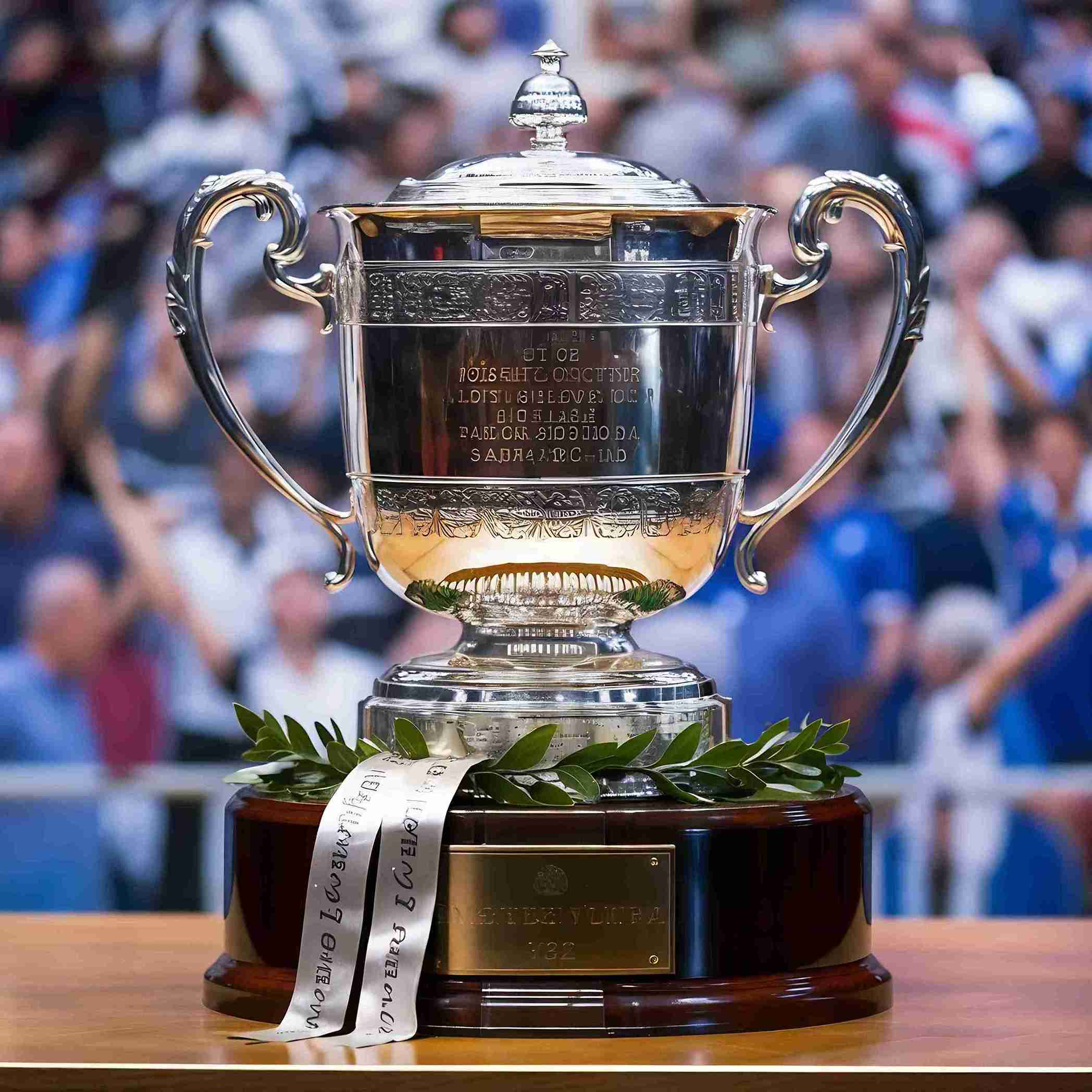
Introduction to the EFL Cup
The EFL Cup, officially known as the English Football League Cup, is one of the most prestigious knockout competitions in English football. Open to all 92 clubs across the Premier League and the English Football League, it provides an exciting platform for teams to compete for silverware outside of the traditional league structure. Known for dramatic matches, surprising upsets, and iconic finals, the EFL Cup has become a key fixture in the football calendar.
For fans and clubs alike, the EFL Cup offers more than just competition. It is a showcase for emerging talent, strategic coaching, and unexpected results that can define a season. Its unique structure and historical significance make it an essential part of English football culture.
History and Origins of the EFL Cup
The EFL Cup was inaugurated in 1960, introduced by the Football League to provide clubs with an additional competitive platform and increase midweek match attendance. Initially sponsored by multiple companies over the years, the tournament has evolved in branding but retained its core knockout format.
Historically, the competition has produced memorable moments, including underdog triumphs and legendary performances from top-tier clubs. Over the decades, winning the EFL Cup has been regarded as a stepping stone for teams aiming to assert dominance domestically and qualify for European competitions.
Competition Format and Rules
The EFL Cup is a single-elimination tournament, with ties often played over one leg in early rounds and two legs in later stages, depending on the season’s regulations. Matches tied after 90 minutes can proceed to extra time and penalties, adding to the unpredictability and excitement.
Premier League teams participating in European competitions typically enter the tournament at later stages, allowing lower-league clubs a chance to face top-flight opponents. This staggered entry system creates opportunities for giant-killing moments and increases interest across divisions.
Key Clubs and Historical Winners
Throughout its history, the EFL Cup has seen dominance by elite clubs such as Liverpool, Manchester United, and Manchester City. These teams have leveraged the competition to showcase squad depth, rotate players, and maintain competitive form throughout the season.
However, the EFL Cup is also known for surprise winners from lower leagues, highlighting its unpredictable nature. Clubs like Swindon Town, Norwich City, and Swansea City have enjoyed historic runs that remain etched in football folklore.
EFL Cup Finals and Iconic Matches
The final of the EFL Cup is typically held at Wembley Stadium, providing a dramatic and prestigious stage for players and fans. Iconic finals have included last-minute goals, penalty shootouts, and tactical masterclasses that define careers and club legacies.
Matches such as the 2005 Liverpool versus Chelsea final and Manchester City’s record-breaking victories demonstrate the competition’s ability to deliver unforgettable moments. These finals often serve as a showcase for emerging talent and managerial ingenuity.
Importance for Clubs and Players
For many clubs, the EFL Cup offers a realistic opportunity to secure silverware and boost morale. It allows managers to rotate squads, giving younger or fringe players valuable experience in competitive matches. Winning the tournament can also secure qualification for European competitions, further increasing its importance.
For players, the EFL Cup is a stage to prove ability under pressure, gain recognition, and make career-defining contributions. Young talents often use the competition to announce themselves on the national and international stage.
Sponsorship and Branding
Over the years, the EFL Cup has been associated with various sponsors, including Carabao, Coca-Cola, and Milk Marketing Board, each influencing the branding and marketing of the competition. Sponsorship deals have enhanced the tournament’s visibility and financial rewards, contributing to its professional growth.
The commercial aspect has also allowed for improvements in broadcasting, fan engagement, and matchday experiences, making the EFL Cup more accessible and appealing to a global audience.
Fan Engagement and Popularity
The EFL Cup enjoys a unique position in English football, often attracting fans with its potential for dramatic upsets and high-stakes knockout matches. While it may not always rival the Premier League or FA Cup in prestige, its unpredictability and midweek scheduling provide fans with exciting football throughout the season.
Clubs often market the competition as a chance to experience first-team football for academy graduates, attracting local support and cultivating fan enthusiasm.
Challenges and Criticism
Despite its popularity, the EFL Cup faces challenges such as fixture congestion, perceived lower prestige compared to the FA Cup, and occasional under-attendance in early rounds. Top clubs sometimes prioritize league or European commitments, leading to squad rotation and less media attention for certain matches.
Nevertheless, the competition remains respected for its competitive integrity and potential for historic moments. Recent reforms and strategic scheduling aim to enhance its relevance and appeal.
Future Prospects and Evolution
The future of the EFL Cup includes modernization in broadcasting, potential rule changes, and increased global exposure. Emphasis on engaging younger audiences, improving fan experience, and ensuring competitive balance is likely to shape the next phase of the tournament.
Integration with European qualification incentives ensures that the EFL Cup maintains practical significance for clubs, encouraging full commitment and preserving the excitement of knockout football.
Conclusion
The EFL Cup stands as a cornerstone of English football, offering drama, opportunity, and historic moments for clubs across all divisions. Its blend of tradition, unpredictability, and competitive significance ensures it remains a beloved tournament among players and fans alike.
From dramatic finals at Wembley to unexpected underdog victories, the EFL Cup continues to define careers, create memories, and enrich the footballing culture of England. Its enduring appeal reflects the passion, skill, and unpredictability that make English football globally admired.



No Comments