Artificial Intelligence (AI) is transforming healthcare into a smarter, faster, and more efficient industry. From automated diagnostics to predictive analytics, AI has become a crucial ally for medical professionals. Hospitals and research centers are leveraging machine learning algorithms to detect diseases at earlier stages—especially cancers, neurological disorders, and cardiac conditions.
AI-driven imaging tools, for instance, now surpass traditional methods by analyzing thousands of X-rays or MRI scans within seconds, helping doctors make quicker and more accurate decisions. Moreover, AI chatbots and virtual health assistants are assisting patients globally, offering medical advice, symptom analysis, and even mental health support.
Pharmaceutical companies are using AI to speed up drug discovery, reducing years of research to mere months. This advancement could mean life-saving medications reach patients faster than ever before. Furthermore, AI-driven wearable devices track vital signs in real time, alerting users about irregularities and potential health risks.
However, AI in healthcare also raises ethical questions—particularly around data privacy and human oversight. While the technology holds immense promise, ensuring secure and transparent use is essential. As we move forward, AI’s integration with healthcare promises to make medical care more personalized, accessible, and efficient worldwide.

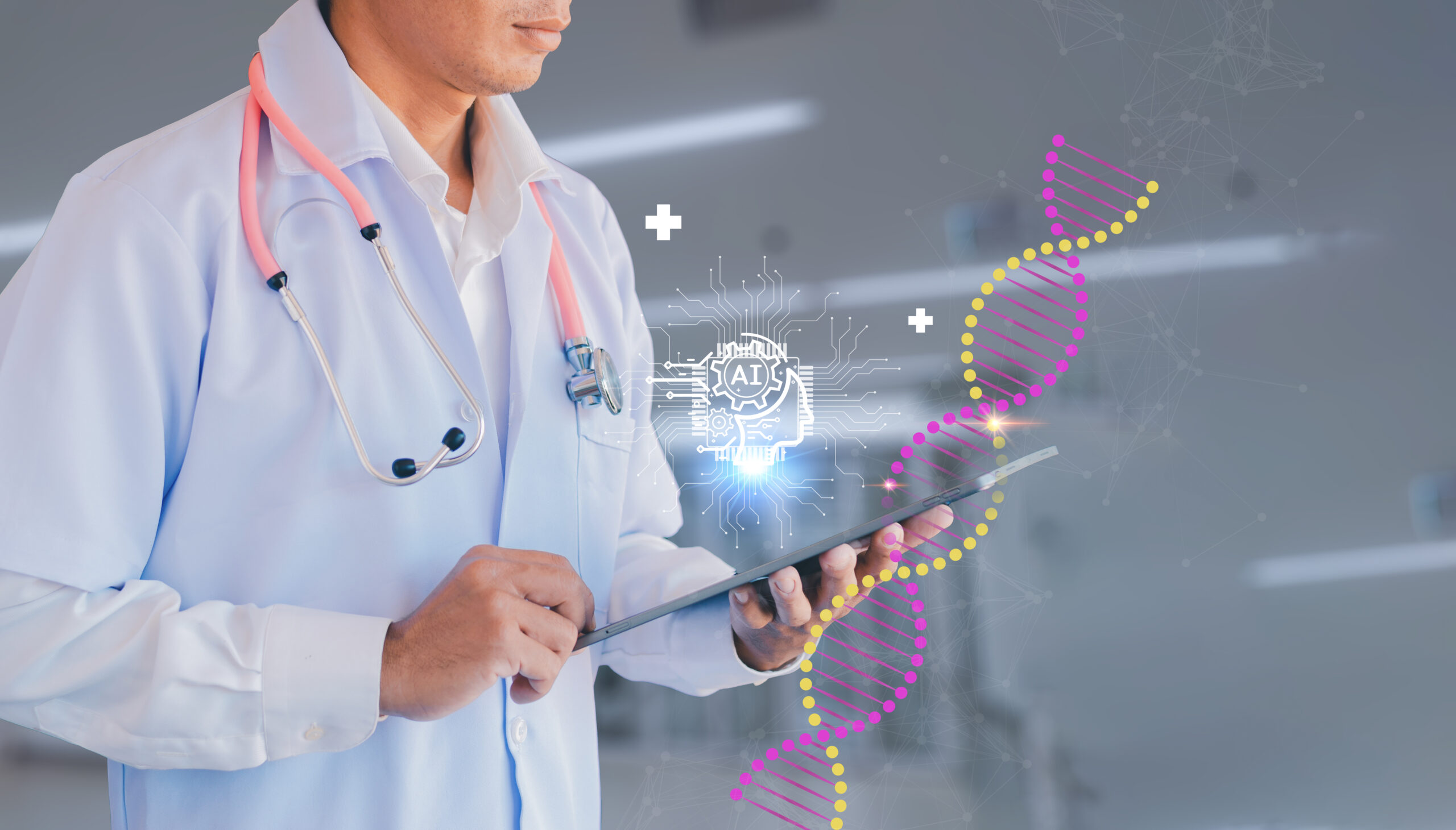 Medical technology: Doctors use artificial intelligence technology to diagnose, care for, and improve the treatment accuracy of future medical innovation patients.


No Comments